

An egg a day keeps doctors away!
A famous line from ummm… someone. Not sure who said that, actually.
Nonetheless, it holds definitely true for the sedentary lifestyle we have been living with little to no exercise. It is disgusting that our average diet includes nothing but fast food, sugary coffee, or maybe some quick eats.
Considering the aforementioned points, an egg a day should definitely be part of our daily nutrition intake. However, have you ever thought about what kind of eggs you are consuming daily? Is it fresh or at least good enough to be considered a healthy food choice?
Looking at an egg and wondering if it is fresh or if it is going to ruin your breakfast?
We’ve all been there. Will you wait to see whether the food gives you an upset stomach? I guess not!
So how do you know if eggs are fresh or not?
You need a reliable method to ensure the freshness of the eggs you are about to eat. This article is for you to understand the sure-shot techniques to check for fresh eggs.
Let’s take this discussion a bit deeper to find out what should and should not be called a fresh and healthy egg to be consumed without any hesitation.
How to check if Eggs are Fresh: The Fresh Egg Test
Making your favourite cake for tonight’s party and just found that eggs were bought days back? Such scenarios can freak you out. Before you throw out the older eggs and order new bucket, we advise you go through this page. There are few simple and easy tests which you can try to be sure if eggs are fresh.
- Water test – The base of this test is the air pocket inside the egg. As the egg gets older the air pocket size increases allowing more air to get inside. There is constant loss of moisture and mass through egg’s porous shell further increasing the air pocket.
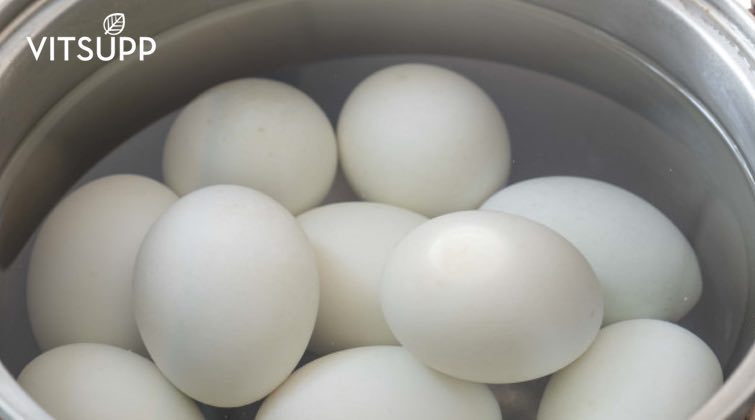
So, when you put an egg in the glass or bowl filled with water, a fresh egg usually lays on its side at the bottom of the glass. If the egg is standing on some angle then it is not very fresh but can still be consumed safely. However, when you see an egg floating, it’s a clear sign that the eggs are quite old and need to be inspected further for safe consumption.
- Sound test – As you know the air pocket increases with age thus giving more space to yolk and white to move around which also gets shrink with time. Take the egg in question near to your ear and shake it. Hearing any sound? If yes, then probably the egg is old as the fresh egg doesn’t make much sound. But should go for the third test to be sure if egg with the music is healthy to eat or not.

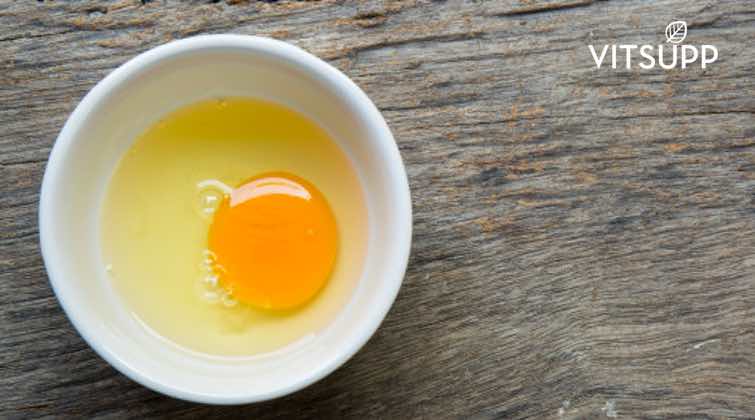
- Crack test – Break it open on a plate and look for the consistency. If the yolk and white spread more on the plate that means the egg is not very fresh. A fresh egg will have a cloudy white, on the other hand a clear white egg suggests the aged egg.
The eggs freshness can also be confirmed if you have got a new packet as there will be manufacturing date printed on it.
4. The Date Check
The eggs’ freshness can also be confirmed if you have a new packet, as there will be a manufacturing date printed on it.
In case you have recently purchased a new carton, there is an option to check the freshness of the eggs right on the package. The majority of store and farm fresh eggs have a packing or best-before date.
Dates are merely an approximation, but bear in mind that storage conditions are a major factor. Always test an egg to see how fresh it is, even before expiry, though it should not be kept in the fridge for more than two weeks.
5. The Sniff Test
Still unsure? Let your nose be the judge.
A fresh egg does not smell… like anything. But a spoiled one? You’ll definitely know. When sulphuric, or sour, or unpleasant smell remains on the cracking, it is no longer good.
Pro tip: When you think there is a smell that is suspicious even before cracking (even through the shell), then get rid of it.
How long do fresh eggs last
This is the most common question I have heard people asking to the shopkeeper. Well, eggs are perishable and should be stored properly to keep them fresh. A freshly laid egg can be kept for a month in room temperature but after that surely it must be stored in your fridge. Our grandmothers preferred to have the freshly laid eggs within 6 days as you might feel a difference in taste after that. Though you can have the eggs without any issue within a month.
You will be shocked to know that the eggs available in your favourite marketing centre are at least a month old. Are you worried about the freshness of those eggs? Well, that is another reason why people usually prefer to get the fresh egg from the farms.
Eggs are perishable in nature, and the good news is that, with the right storage, you can make them last much longer than you think. It is time to break the shell of facts concerning the freshness of eggs and how to keep your eggs in the best condition possible.
At Room Temperature: The 6-Day Freshness Window
A freshly laid egg can be left at room temperature for up to a week or six to seven days before you observe slight alterations in flavour and texture.
But with the passing days, the egg itself loses moisture by osmosis through its porous shell. The process makes the yolk slightly less creamy and changes the white into a somewhat soft substance, although it can be eaten for a month, provided it is kept in a good place.
In the Refrigerator: Extend the Shelf Life
You can keep your eggs longer in the fridge; it is your best friend in case you want your eggs to be fresher. A fresh egg kept in a cool condition (preferably, less than 5 °C) may take a period of 3 to 5 weeks after laying.
To determine the freshness of eggs, it is always important to perform a quick float test or a crack test before cooking, especially when the eggs have been kept in the fridge.
Pro tip: Keep eggs in their original carton with the pointy side down. This holds the yolk in place and avoids the drying up of the egg.
Did You Know Most Store Eggs Are Already a Month Old?
Surprise! The neatly stacked eggs at your favourite supermarket could be between 2-4 weeks old when you take them. That is quite natural; they are still safe, however, not as fresh out of the farm as you would expect.
This is the reason why most people like farm-fresh eggs, which are directly harvested in the local poultry farms. They taste better, besides, and you can be assured of the real freshness of your eggs.
The next time you are purchasing eggs, look at the date of packing, perform a quick egg freshness test, and you will not have to ask yourself again, How long do fresh eggs last?
How to clean farm fresh eggs
Do you eat an apple without washing it? Or prepare a delicious curry from spinach without washing it? No? Then why leave the egg like that? The place where chicken eggs are laid is not clean, so it should be cleaned before storing them in your kitchen or refrigerator.
Step 1: Understand the Egg’s Natural Armor – The Bloom
A newly laid egg is a little bit wet or glossy. It is because it is covered by a natural coating known as the bloom (or cuticle). This is a thin, transparent coating that closes the holes of the shell and prevents the bacteria from sneaking inside.
Excessive washing of the egg may also remove this protective barrier, exposing it to contamination. Therefore, when you are about to take soap, keep in mind: it is important to clean softly.
Step 2: Skip the Soap – Use Warm Water or a Dry Wipe
Unwashed eggs or any other food items are not good for health. You do not need to wash the eggs with soap or detergent or apple cider vinegar, but just running water would do, or you can clean the dirt using a paper towel.
A freshly laid egg seems to be wet because of bloom, a layering that prevents bacteria from entering the egg. To clean your egg, prefer warm water over cold, as you remember from your science books, the egg shells are porous, and pouring cold water results in creating a vacuum inside the egg, which then pulls the bacteria.
And warm water, on the other hand, allows the egg contents to expand and thus blocks the bacteria from affecting the egg. Always store eggs in a clean and dry place, preferably on the bed of the straws.
Step 3: Dry and Store Smartly
Wipe the eggs dry with a clean towel after cleaning them. Wetness may promote the growth of bacteria, hence ensure that they are thoroughly dry before storage.
Then, store them in:
- A dry and clean box or a basket.
- Point downward in order to keep the yolk in the middle.
- A cool or refrigerator (preferably less than 5 °C).
In case you are going full farmhouse, keeping the eggs in a layer of straw in a well-ventilated place is also a stunning idea.
Calories in fresh eggs
A whole egg contains 54 Calories. Wondering how you can burn those 54 calories? Well, I can give you some options. You can go for a 14min walk or 6 min of jogging. Not interested? If you know swimming just dive and swim for 5mins. Else, get your cycle from the backyard and go for a ride to a nearby friend’s house for 7mins.
Depending on your calorie intake one should always go for an exercise for a healthy lifestyle.
What’s Inside Those 54 Calories?
The eggs are mini nutritional capsules. The average calorie content of 1 fresh egg, medium size is as follows:
Protein: 6-7 grams (approximately 30 percent of the total calories)
Healthy fats: 4–5 grams
Carbohydrates: Less than 1 gram.The majority of the vitamins, minerals, and good fats, such as the omega-3s, vitamin D, and choline, are packed in the yolk, and the egg white contains practically pure protein. Upon combining, they make a nutrient powerhouse that will give your body all the energy without making you feel heavy.
Why Eggs Deserve a Spot in Your Diet
Stop thinking of the amount of calories it has, but what you get out of it. Fresh eggs contain high-quality protein, essential amino acids, and nutrients that aid in muscle repair, the health of the brain, and energy.
Eggs contain nutrient-filled calories as opposed to many processed snacks, which load empty calories; that is, they provide more nutritious calories per bite.
The Balance Between Food and Fitness
Eggs are a good fit in a balanced, healthy lifestyle, and one or two eggs a day is right, depending on the number of calories you consume daily. The trick is in moderation – and combining them with exercise so as to keep them in active, strong, and happy condition.
Eat the egg, and eat it without feeling guilty. It is easier to burn 54 calories, after all, than it is to say no to a perfectly cooked sunny-side-up!
Benefits of fresh eggs over store bought
So, have already stated earlier about the store-bought eggs that it takes at least a month for them to attain a place in the marketing centre shelf. I have grown up enjoying the eggs from my grandmother’s farm but later when had to go for an egg available in the market, I found them convenient as just have to pay the money and take them home, prepare omelette or just boil them, enjoy your day. But if you ask about the taste then surely, I miss the taste of those freshly laid eggs.
Also, if we go by the nutrient value then the fresh eggs contain more nutrition which decreases with the age of the eggs. Cost wise values may be higher for fresh eggs than the one from the store but we think that they are worth it.
Admittedly, farm-fresh eggs may be more expensive than those in the store. However, they are entirely worth it when you think about the superior taste, texture, and nutrition. Take it as an investment in your health, not just a purchase.
The bulk of the local farms selling fresh eggs are those that use natural feed and are ethical. The hens are usually free-range, which means that they have freedom of roaming, pecking, and free living without any stress. It means healthier and more nutritious eggs – no artificial fortifiers and preservatives required.
Farm fresh eggs shelf life
Are you looking for the expiration date or best before date in the pack of fresh eggs? Better to decide that with just two of your senses – smell and view. Still if looking for the information than If refrigerated, egg can be kept for 30 to 45 days but if unrefrigerated then better to consume them within 6 days.
How to check eggs are fresh in water
Have you forgotten the date you have got the fresh eggs from the farms and want to check if they are still good to be a part of your breakfast? One of the best and easy way to test the freshness of an egg is Water Test.
For this test, just you need a large glass of water and egg. Put the egg in the glass, if it settles down at the bottom then the egg is still fresh. Yay!.
If the egg is at some angle or stands then it is old but can be eaten without any issue. But, if floating then better to discard it, it can’t be a part of your healthy breakfast.
Egg freshness chart
| Nutrient | Value | % Daily value |
| Total Fat | 3.6 gm | 6% |
| Saturated Fat | 1.2 gm | 6% |
| Trans Fat | <0.1 gm | |
| Cholesterol | 141 mg | 47% |
| Sodium | 54 mg | 2% |
| Total Carbs. | 0.3 gm | < 1% |
| Dietary Fiber | 0 gm | 0% |
| Sugars | 0.1 gm | |
| Protein | 4.8 gm | |
| Calcium | 21.3 mg | |
| Potassium | 52.4 mg |
Final Thoughts
Eggs are not so complicated, and all depends on how fresh they are in terms of taste, nutrition, and health. Although store-bought eggs are convenient, freshly laid farm eggs are the exact ones that are of nature and they land on your table. They are tastier and healthier, truly a reminder of how food should be. The next time you are preparing breakfast or baking a cake, you will now have one more reason to examine the freshness of the egg you have; it is a small gesture, but it will be rewarded with tremendous benefits to your health and taste. Nothing is better than pure gold of an egg, after all.
FAQ :
How do you check if eggs are fresh or not?
To check eggs for freshness, perform the float test (i.e., place an egg in water). The fresh egg will sink and land flat, whereas the old egg will float because of the accumulation of air in the shell. You may also pop it: a fresh egg will have a solid yolk and thick white, and an old one will appear runny and dry. The other method is by smell; rotten eggs have a distinct odour of Sulphur. It is always best to keep eggs in a calm, dry environment or in a refrigerator to extend their shelf life without spoilage.
Is the float test for eggs accurate?
Yes, the float test is a reasonably accurate method of knowing the freshness of an egg. As eggs age, air is introduced into the shell, which raises the level of buoyancy. A new egg will sink to the bottom and remain flat, a slightly old one will lean, and an expired one will float on the surface. This test, however, does not show safety but age only. Always check the smell and appearance of an egg before using it, even if it sinks. To get the most of it, the float test should be used together with the visual and smell tests to make sure that the egg was not spoiled.
What are the signs of a good egg?
An egg with a clean, smooth shell, free of cracks or strange spots, is a good egg. The egg white should be thick when cracked open and kept near the yolk, which should be round, firm, and bright yellow-orange—no foul smell or discolouration. The shell is to be somewhat rough, which is an indication of a natural protective bloom layer. Good eggs retain their shape when cooked and give a rich and pleasant aroma. All these properties speak of freshness, quality, and nutrition, which are the features of a healthy farm-fresh egg.
What are the 5 qualities of a fresh egg?
It is easy to tell fresh eggs by the following five qualities:
Firm yolk, Round and centered, not flat or runny.
Thick egg white: It is not watery; it remains attached to the yolk.
No smell: Fresh eggs do not have a sulfur or foul odor.
Coarse, smooth shell: A Little coarse with natural bloom.
Water test: A Fresh egg will sink and lie flat.
These indications demonstrate that the egg is freshly laid, full of nutrients, and safe to consume to get the best possible taste and nutrition.
What is the shelf life of Indian eggs?
Eggs can last 7-10 days at room temperature and 3-4 weeks in the refrigerator in India’s climate. Nevertheless, they may have a short shelf life due to humidity and heat, particularly during summer. To increase the shelf life, keep eggs in a cool, dry area, preferably in the original carton, to avoid moisture leakage and absorption of odors. Unwashed farm eggs that are still in the natural bloom are long-lasting compared to washed ones. It is always advisable to do the float test or smell check of any eggs that have been kept longer than a few weeks before eating them.
Can eggs last 5 months in the fridge?
No, eggs cannot be stored in the fridge for 5 months, as they lose their quality and can become unsafe. When well stored, refrigerated eggs can last 3-5 weeks after buying them. In addition to that, the egg whites become thin, the yolks flatten, and the taste worsens. Although they do not necessarily smell bad, dangerous bacteria such as Salmonella can develop with time. To store more, you may crack the eggs, beat them a little, and then freeze them in an airtight container. When frozen properly, they can be used for several months without compromising safety.
What is the expiry date of Desi eggs?
Desi eggs that are rich in flavor and nutrition have a shelf life of approximately 2 to 3 weeks at room temperature and 4 weeks when refrigerated. Desi eggs, however, are usually not washed, so their natural bloom is used to preserve the eggs a little longer. Precise expiry will be based on the temperature of storage, humidity, and cleanliness. Always make sure they are not spoiled by looking for odd smells, cracks, or a watery egg white. To ensure optimal flavor and nutrition, Desi eggs should be consumed within 10-15 days of purchase without refrigeration.
Is it okay to freeze eggs?
Yes, freezing of eggs is possible, but not in their shells. Whack them into a bowl, beat lightly (to combine yolks and whites), and pour into a container with a lid, or an ice cube tray. Before being frozen, label it with the date. The eggs are frozen and can last up to 12 months, making them very good for baking or cooking. When using yolks only, a pinch of salt or sugar should be added before freezing to avoid thickening. Store them in the refrigerator overnight when they are to be used. Freezing is a great way to save on wastage and have eggs available for recipes at any time.
Which is the best way to store eggs?
Eggs are best when stored in a refrigerator at approximately 4-5 °C. Put them back in the carton they came in on a shelf in the middle, and not the fridge door, to ensure they get the same temperature. Keep them with the point upwards to maintain the position of the yolk and to stop the expansion of the air cell. Never wash eggs before storing them to preserve the protective bloom that keeps bacteria out. To store at room temperature, select a cool, dry, and shady location. Adequate storage of eggs keeps them fresh and safe, and tasty for weeks.